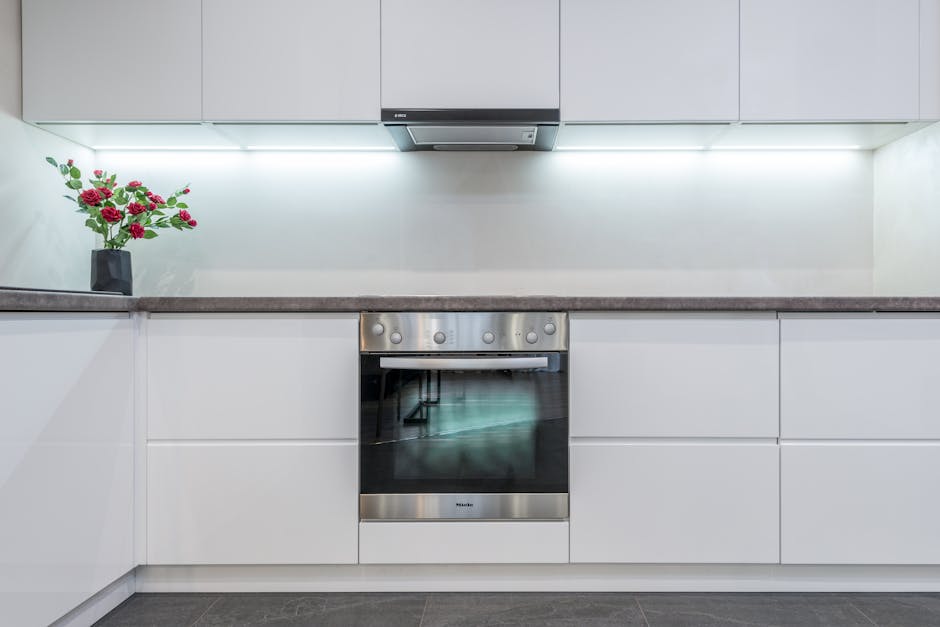
Petts Wood Oven Cleaning Tips for High Street Flats
If you live above, beside, or behind the high street in Petts Wood, you already know the kitchen can be a bit of a tight squeeze. There's less ventilation, less room to work, and somehow grease seems to stick faster in smaller flats. These Petts Wood oven cleaning tips for high street flats are designed for exactly that kind of home: compact, busy, and not always blessed with the luxury of a big utility sink or a spare afternoon.
Whether you are trying to freshen up the oven before visitors arrive, preparing for an end of tenancy inspection, or simply tired of that burnt-on smell drifting out every time you preheat, the right approach makes the job far less painful. The good news? You do not need harsh tactics or a huge kit. You just need a sensible method, the right timing, and a few practical habits that suit flat living on a bustling street.
In this guide, we'll cover why oven cleaning matters in high street flats, how it works in a small property, what tools actually help, what mistakes to avoid, and when it makes more sense to call in help. There's also a checklist and a comparison table so you can decide what's worth doing yourself and what isn't. Simple enough. Well, almost.
Why Petts Wood oven cleaning tips for high street flats Matters
High street flats tend to collect cooking residue in ways that bigger homes do not. The combination of smaller kitchens, regular cooking, nearby traffic dust, and sometimes limited extractor performance means the oven can get grimy quicker than you expect. A dirty oven is not just about appearance either. It can affect odour, cooking performance, and the general feel of the kitchen. Nobody wants Sunday lunch smelling faintly of last month's roast potatoes.
In a flat, the practical side matters too. You are often working with less countertop space, fewer storage options, and maybe only one sink. That makes oven cleaning a little more strategic. If you start without a plan, you end up with cleaning paste on the floor, trays balanced on a chair, and a mild sense of regret. Been there? Most people have.
There's also the neighbour factor. Strong fumes, noisy scrubbing at awkward times, and open windows can all create friction in a shared building. In a busy Petts Wood high street setting, a calm, low-fuss method is usually the best method. Not glamorous, just effective.
If you prefer to hand over the hard work, it can help to look at a trusted oven cleaning service or a wider deep cleaning option that fits the rest of your home too.
How Petts Wood oven cleaning tips for high street flats Works
Good oven cleaning is basically a sequence: loosen the grease, remove the debris, treat the stubborn patches, then finish with a safe wipe-down. That sounds obvious, but the difference between an easy clean and a miserable one is often in the order. In a flat, you want to reduce mess at every stage so you are not carrying sludge across a small floor area.
Most ovens in modern flats will need attention in three main places: the main cavity, the racks or shelves, and the door glass. The seals, knobs, and surrounding cabinet fronts also pick up splatter. If you skip those edges, the oven can look clean at first glance but still smell stale once it warms up.
The best way to think about it is as a layered clean. Start light. Move to stronger action only where needed. That approach protects surfaces, keeps fumes down, and avoids unnecessary scrubbing. For flats with limited airflow, this matters more than people realise.
If your kitchen flooring is also a problem after spills, grease, or cleaning residue, some homeowners pair oven maintenance with hard floor cleaning so the whole cooking area feels properly reset.
Key Benefits and Practical Advantages
There are a few clear advantages to staying on top of oven cleaning in a high street flat, and they go beyond the obvious "it looks better" point. The most immediate benefit is smell. A clean oven heats more evenly and is less likely to fill the flat with burnt residue fumes every time you cook chips or bake something at 7pm on a wet Tuesday.
Another benefit is everyday usability. When shelves, door glass, and the base are free of heavy grease, you can actually see what you're cooking. It sounds minor until you've had to guess whether a tray bake is browning or burning because the window is basically opaque.
Then there's the practical money angle. Regular cleaning usually means you avoid that awful deep-build-up stage, where everything takes twice as long and you need stronger products or professional help. It is easier to maintain a decent oven than rescue a neglected one. That is just the truth of it.
- Less lingering cooking smell in compact rooms
- Better visibility through the oven door
- More even cooking and less smoke
- Reduced risk of stubborn grease becoming carbonised
- Easier end of tenancy or inspection readiness
- Lower chance of spilling grime onto surrounding units
For busy households or rented flats, this often pairs well with one-off cleaning when you want a full refresh without starting a weekly routine from scratch.
Who This Is For and When It Makes Sense
These tips are for anyone living in or managing a flat around Petts Wood High Street who wants the oven sorted without making a whole drama out of it. That includes tenants, landlords, homeowners, and busy professionals who cook regularly but do not have endless time for maintenance. If you are in a top-floor flat with a small galley kitchen, you will probably notice the difference fastest.
It also makes sense if you are moving out. Oven condition is one of those things that gets checked quickly and remembered clearly. Even if the rest of the flat is fine, a neglected oven can leave a poor impression. Not fair, maybe, but very common.
You may also want these tips if you're recovering from a busy period of cooking. Think winter roasts, baking marathons, or the week after family have stayed over and used every tray in sight. The oven has a way of quietly telling on you.
If your oven is only lightly used, monthly maintenance might be enough. If you cook greasy food often, or if the extractor is weak, a more frequent touch-up will save you effort later. That's the real win: little and often.
Households combining appliance care with broader home upkeep may also find domestic cleaning useful when the aim is to get the whole flat feeling orderly again, not just the kitchen.
Step-by-Step Guidance
Here is a practical way to clean an oven in a high street flat without making the space feel like a workshop. Keep the process contained. Open a window if possible, put down a towel or old cloth, and work one part at a time.
- Switch off and cool down fully. Never start while the oven is warm unless the product specifically allows it. Warm surfaces can make grease smear and fumes worse.
- Remove loose racks and trays. Put them aside in the sink, bath, or a lined washing-up tub if your kitchen sink is too small. In flats, the bath is often the unsung hero. Slightly absurd, but useful.
- Brush out crumbs and debris. A dry cloth or soft brush helps lift the loose bits before you add moisture. This prevents messy paste from turning into black sludge.
- Apply a suitable cleaner. Use a product that matches your oven type and follow the label carefully. Avoid flooding the cavity. Less is better in compact kitchens.
- Let it dwell. Give the cleaner time to soften the grease. This is when patience helps more than elbow grease.
- Wipe in sections. Use damp microfibre cloths and rinse them often. Clean the top, sides, back, and base separately so nothing gets missed.
- Deal with the glass door. Focus on the inner panel, corners, and any grease line around the edge. A second pass is often needed here.
- Wash racks and trays. Soak them if necessary, then scrub with a non-abrasive pad. Dry fully before putting them back.
- Finish with a clear-water wipe. This removes any chemical residue and helps stop odours on the next preheat.
- Air the kitchen. Let the space breathe for a while before cooking again. You do not want the smell of cleaner mixed with tonight's pasta bake.
If the oven has very heavy, baked-on grease, or if there is a self-clean cycle that you are unsure about, read the manufacturer instructions first. Small flat, big consequence if you damage the finish.
Expert Tips for Better Results
One of the most useful oven cleaning habits is to stop grease before it hardens. That means wiping the door edge, handle area, and any fresh spills soon after cooking, once it has cooled but before it sets hard. A quick wipe can save you a full clean later. Boring advice, yes, but it works.
In a flat, microfibre cloths are your best friend because they absorb well and reduce streaking. Keep one cloth for grease, one for rinsing, and one for drying. It sounds fussy, but it prevents you from just pushing grime around. And let's face it, nobody wants to do the job twice.
Use a soft scraper only where the surface allows it. The aim is to lift residue, not etch the glass or damage the enamel. A gentle hand often beats aggressive scrubbing, especially on older ovens where the coating may already be a bit tired.
For kitchens with limited ventilation, avoid overloading the room with strong-smelling products. A milder product used properly can be more pleasant and just as effective. If you ever feel a product is too harsh for your space, stop and ventilate. No hero points for making yourself dizzy in a three-metre kitchen.
And one more thing: clean the surrounding area too. The oven may be the headline, but cabinet edges, splashback tiles, and handles often carry the same greasy film. If you are already doing the work, finish it properly. That extra five minutes changes the whole feel of the kitchen.
Common Mistakes to Avoid
The most common mistake is using too much cleaner. More product does not equal better results. In a small flat kitchen, excess liquid can drip onto flooring, seep into seals, or leave a sticky film that attracts dust later on.
Another error is rushing the soak time. If the cleaner needs time to soften the build-up, give it time. Scrubbing too soon just spreads the grime and makes the job feel harder than it is. A cup of tea while you wait is not laziness. It is strategy.
People also forget the racks and trays. The cavity can look respectable, then you put the dirty racks back in and the whole oven instantly looks half-done. Slightly annoying, but easy to fix if you remember it early.
Here are a few other things to avoid:
- Using abrasive pads on glass or enamel
- Cleaning a hot oven or warm racks
- Ignoring seals and corners where grease collects
- Mixing products without checking labels
- Cooking again before residue and odours are fully cleared
- Forgetting to protect nearby flooring and cabinet fronts
If you are under time pressure, do not attempt a deep oven clean right before guests arrive. That is when mistakes happen. Leave yourself breathing room, ideally the day before, or a quiet afternoon when you are not half-distracted by the postman and a phone call.
Tools, Resources and Recommendations
You do not need a giant kit to clean an oven well in a flat. In most cases, a handful of sensible tools is enough. The goal is to reduce mess and friction, not to fill the room with bottles and sponges like a tiny cleaning warehouse.
| Tool | Why it helps in a flat | Best use |
|---|---|---|
| Microfibre cloths | Low lint, good absorbency, easy to rinse | Wiping grease, drying surfaces, finishing glass |
| Soft non-abrasive pad | Gives some scrubbing power without scratching | Racks, trays, stubborn patches |
| Small plastic scraper | Helps lift baked-on spots carefully | Glass edges and solid residue only where safe |
| Old towel or floor cover | Protects compact kitchen flooring | Under the oven door and around the working area |
| Shallow washing-up tub | Useful where the sink is too small for racks | Soaking shelves and trays |
| Gloves | Protects hands from cleaning solution and grease | General cleaning and rinse work |
For people wanting a broader reset, it can make sense to combine oven work with window cleaning or house cleaning, especially if the flat has picked up general urban dust from being right on the high street.
If the flat is part of a managed tenancy and the oven has been badly neglected, some residents choose a professional oven cleaner rather than spending an entire evening scrubbing. Fair enough, too.
Law, Compliance, Standards, or Best Practice
Oven cleaning in a flat is usually a practical household task rather than a regulated specialist activity, but there are still sensible standards to follow. In the UK, the main concerns are safe product use, ventilation, and avoiding damage to property. Always read the cleaner label, follow manufacturer instructions for the appliance, and do not mix chemicals unless the product guidance clearly says it is safe.
If you live in rented accommodation, it is also wise to keep the oven within the condition expected under your tenancy agreement. That does not mean spotless every day. It means reasonable care and regular maintenance so grease does not build into something that is difficult to remove later. For landlords and tenants alike, good record-keeping and clean handovers can save a lot of awkward conversation.
From a service perspective, if you bring in outside help, choose a company that is clear about safety, insurance, and terms. This is where pages such as insurance and safety, health and safety policy, and terms and conditions can help you understand how a provider works. It is not exciting reading, granted, but it is reassuring.
For bookings, payments, or privacy-minded customers, it can also be useful to review payment and security and privacy policy before confirming anything. That is just sensible digital housekeeping.
Options, Methods, or Comparison Table
There is no single best method for every flat. The right choice depends on how dirty the oven is, how much time you have, and how comfortable you are with strong cleaners. Here is a simple comparison to help you decide.
| Method | Best for | Pros | Cons |
|---|---|---|---|
| Light regular wipe-downs | Frequent cooks, newer ovens | Fast, cheap, keeps grease manageable | Won't fix heavy build-up |
| DIY deep clean | Moderate grime, time available | Low cost, full control, flexible timing | Can be messy and time-consuming |
| Professional oven cleaning | Heavy build-up, move-outs, busy households | Less effort, thorough finish, better for difficult jobs | Costs more than doing it yourself |
For many Petts Wood flats, the sweet spot is light upkeep most weeks, with a deeper clean every so often. That keeps the workload realistic. No one needs another chore that feels like a second job.
If your home needs more than the oven, you might compare a single appliance clean with a wider deep cleaning visit or a more general one-off cleaning session. The larger service can sometimes be better value if several rooms need attention.
Case Study or Real-World Example
Picture a one-bedroom flat above the high street. The kitchen is narrow, the oven sits under a small hob, and the extractor is fine on paper but not exactly heroic. After a few weeks of roasting vegetables, pizzas, and one slightly overenthusiastic tray of sausages, the oven door starts to haze over. The smell is the giveaway. You open the oven and get that warm greasy note that tells you it has been too long.
In that kind of setting, a sensible clean is less about brute force and more about containment. The resident clears the counter, places a towel on the floor, removes the racks, and lets a suitable cleaner work while they deal with the rest of the flat. Instead of attacking everything at once, they focus on the door glass first, then the base, then the shelves. The job takes a while, but it stays manageable. No drama. No mess in the hallway.
The difference afterwards is usually obvious straight away. The oven heats without that faint burnt smell, the glass clears up, and the kitchen feels fresher even before anything else is changed. It's one of those annoying little tasks that has an outsized effect, which is probably why it gets put off for so long.
When the oven is especially stubborn, a tenant might decide the time saved is worth more than the effort. That's often when booking professional support makes sense, especially if the flat is on a tight turnaround between occupants.
Practical Checklist
Use this checklist before and during the clean. It keeps the job smaller, calmer, and far less chaotic.
- Let the oven cool fully before starting
- Open a window or improve ventilation if possible
- Protect the floor with a towel or cloth
- Remove racks, trays, and loose debris first
- Use a cleaner that suits your oven type
- Allow dwell time before scrubbing
- Clean the cavity in sections, not all at once
- Wipe the door glass carefully, especially the edges
- Wash and dry racks before replacing them
- Finish with a clean water wipe to remove residue
- Check nearby units and handles for splashes
- Leave the kitchen aired before cooking again
Expert summary: in a Petts Wood high street flat, the winning formula is calm preparation, light regular upkeep, and a careful finish. That combination protects the appliance, keeps the kitchen pleasant, and avoids the big all-day clean that nobody wants. Simple, really.
Conclusion
Oven cleaning in a high street flat is one of those jobs that feels bigger than it is, mostly because the space is smaller and the mess seems to echo around the room. But with a steady approach, it becomes very manageable. The real aim is not perfection. It is a clean, safe, usable oven that does not smoke, smell, or make you dread opening the door.
The best Petts Wood oven cleaning tips for high street flats are the practical ones: work in sections, keep the process contained, avoid harsh shortcuts, and stay ahead of build-up before it turns stubborn. Whether you do it yourself or decide to get help, the result should be the same. A kitchen that feels lighter, fresher, and easier to live with.
If you want a more straightforward route, a professional clean can save time and remove the stress of dealing with heavy grease in a compact kitchen. Sometimes that is the smartest move, and there's nothing wrong with that at all.
Get a free quote today and see how much you can save.
Frequently Asked Questions
How often should I clean an oven in a Petts Wood flat?
For most flats, a light wipe every week or two and a deeper clean every few months is a sensible rhythm. If you cook greasy food often, you may need to tidy it more regularly. The key is not letting residue harden into that sticky, blackened layer that takes forever to remove.
What is the easiest way to clean a greasy oven door?
Start by letting the oven cool fully, then use a gentle cleaner and a microfibre cloth. Work around the edges carefully and repeat if needed rather than scrubbing aggressively. The glass usually improves more with patience than pressure, which is a bit annoying but true.
Can I use strong oven cleaner in a small flat kitchen?
You can, but ventilation matters. In a compact kitchen, strong fumes can linger, especially if the extractor is weak. Always follow the label and open a window if possible. If the product feels too harsh for the space, choose a milder option or use a professional service instead.
Is professional oven cleaning worth it for a high street flat?
It often is if the oven is heavily soiled, you are short on time, or you need the flat ready for inspection or move-out. Professional cleaning is also useful when the oven has not been maintained for a long time and DIY methods would take several rounds.
What should I not use on oven glass?
Avoid abrasive pads, metal scourers, and anything that could scratch the surface. Those tools can leave marks that are hard to reverse. A soft pad, cloth, and patient wiping are usually the safer route.
How do I stop my oven from smelling after cleaning?
Wipe away all residue, rinse the surfaces with clean water, and let the oven air out before using it again. Smells usually come from leftover cleaner or stubborn grease that has not been fully removed. A proper finish helps a lot.
What if my oven racks are too big for my sink?
Use a bath or a shallow washing-up tub lined with a towel. That is a very normal flat-living solution. It sounds improvised because it is, but it works well enough and keeps the job contained.
Can oven cleaning damage rental property?
It can if you use the wrong products or scrub too hard on delicate surfaces. That is why it is important to check the oven manufacturer's guidance and use suitable tools. A careful clean should protect the appliance, not harm it.
Do I need to clean the oven before moving out of a flat?
Usually, yes, if the tenancy requires the property to be left in good order. Ovens are commonly checked because grease and burnt residue are easy to spot. A clean oven can make the final handover much smoother.
What is the difference between oven cleaning and deep cleaning?
Oven cleaning focuses on the appliance itself, while deep cleaning usually covers a wider range of kitchen and home areas. If your flat needs a full reset, it may make sense to combine both. That can be more efficient than booking separate visits.
How long does a DIY oven clean usually take?
It depends on the level of grease and whether you are also cleaning racks, trays, and glass. A light clean may take under an hour, while a deeper job can take much longer because of soak time. In practice, most of the effort is waiting rather than scrubbing.
Where can I find help if I want the whole flat cleaned as well?
If the kitchen is only one part of a bigger job, look at services such as house cleaning, domestic cleaning, or one-off cleaning. They can be a practical option when you want the oven, floors, and general living space sorted together.